- HX Weekly by Hexagon Center
- Posts
- The Should-Be Invincible Password Manager Warning and many other warnings
The Should-Be Invincible Password Manager Warning and many other warnings
The first week of March 2026 has been characterized by a sharp escalation in nation-state cyber activity and aggressive law enforcement interventions. Geopolitical tensions have fueled a surge in infrastructure-level attacks, most notably involving the Seedworm APT group's infiltration of U.S. defense and banking sectors, alongside disruptive strikes against cloud data centers in the Middle East.LastPass is currently warning users about a sophisticated phishing campaign that uses fake, forwarded internal support threads to create a sense of urgency regarding unauthorized account access or primary email changes.



Daniel Masterson, Ai Courtrie Buson & Bard Gee
March 06, 2026

for the week March 1, 2026, 111th edition
Your quick weekend update and reminder.
☝️ TWA
 Gif by ABCNT on Giphy | It’s a lot. Before you scroll down to Headline Highlights, know that monumental world events will be consequential in cyber security. As for TWA, you have to decide if you want to use a password manager or not. See Tools below. |
🤷♀️ What now?: Keep a look out for phishing emails of all types. Remember, the war makes everything possible and very vulnerable.
Tools: Best tool you can use if you have a password manager is to change your password very regularly.

LOOK OUT ◉_◉ US-Israel and Iran Trade Cyberattacks: Pro-West Hacks Cause Disruption as Tehran Retaliates
MUST READ: A Possible US Government iPhone-Hacking Toolkit Is Now in the Hands of Foreign Spies and Criminals
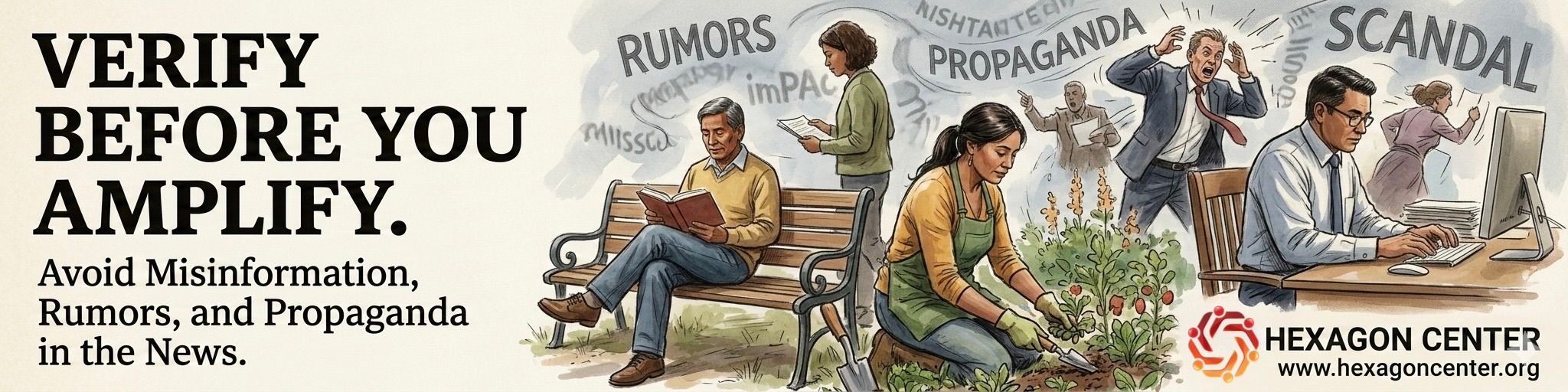
📰 Headline Highlights
Hackers Weaponize Claude Code in Mexican Government Cyberattack
Samsung TVs to stop collecting Texans’ data without express consent
CrowdStrike says attackers are moving through networks in under 30 minutes
Musk's xAI and Pentagon reach deal to use Grok in classified systems
Rapid AI-driven development makes security unattainable, warns Veracode
New AirSnitch attack bypasses Wi-Fi encryption in homes, offices, and enterprises
Vulnerability Allowed Hijacking Chrome’s Gemini Live AI Assistant
Hackers Expose The Massive Surveillance Stack Hiding Inside Your “Age Verification” Check
TikTok won't protect DMs with controversial privacy tech, saying it would put users at risk
Wikipedia hit by self-propagating JavaScript worm that vandalized pages
FBI investigating ‘suspicious activities’ on agency network following February incident
In other news, Western Cybersecurity Experts Brace for Iranian Reprisal


We are roundly overwhelmed. This week’s news came bombarding in like we are in a war. As significant world events take place, not only the parties at war are sending attacks, but the usual threat actors are doubling up on their efforts just to capitalize on the prevailing circumstances.
Have you seen the Hexagon Center’s commercial? If not, you can lend your support by watching some of them below. A link to our YouTube channel will now be a mainstay in HX Weekly.

HOUSEKEEPING
Glossary/Legend:
Zero Trust - a strategic cybersecurity framework based on the principle of "never trust, always verify," requiring strict identity authentication and authorization for every user and device, whether inside or outside the network perimeter. It assumes breach, removes implicit trust, and employs granular, least-privilege access controls to protect resources.
Holistic security - a comprehensive strategy that integrates various protection layers—physical, digital, psycho-social, and organizational—to safeguard individuals, communities, or systems, recognizing that true security involves overall well-being, not just isolated technical defenses.
Personal Identifier - A unique word or phrase shared exclusively with an individual or a group, serving as a means of identification and affirmation within the established relationship. It is recommended that 2 or more Personal Identifiers be established per person.
Malware (short for malicious software) - refers to any intrusive software developed by cybercriminals (often called hackers) to steal data and damage or destroy computers and computer systems.
Ransomware - A type of malware that locks or encrypts a victim's files and demands a ransom payment to unlock and decrypt them. Ransomware can infect a variety of devices, including computers, smartphones, printers, and more.

Privacy Notice: HX Weekly and the Hexagon Center are committed to your digital security. We do not collect, track, or store any personal information from our subscribers beyond the email address provided for delivery.
Spread cybersecurity culture
Do you have any suggestions on how we can further share this newsletter? Tell your friends and family about us by sharing with them the Hexagon Center official website:
View archives at hxweekly.beehiiv.com
Even though we aim to provide you the most current and critical information to keep you safe, threat actors work 24/7 and this newsletter publishes only once a week. Even though we are available via a hotline, it is crucial that you stay up to date via other sources as well to be informed on how you may be at risk.
You may reply to this newsletter or email us at
[email protected]
Send us any questions or things you want to talk about. Please share some fun facts with us. We welcome feedback and suggestions.

Hexagon Center is formed as a nonprofit corporation in California for public benefit,
and is tax-exempt under section 501(c)(3) of the Internal Revenue Code.
DISCLAIMER
Cybersecurity is an ever-changing field, and threats may evolve. While Hexagon Center strives to provide accurate and timely information, we cannot guarantee absolute security. Users are responsible for implementing their security measures and staying informed about the latest cybersecurity developments. Hexagon Center is not responsible for any cyber or scam attacks by our readers. HX Weekly tips are advice are not official positions of Hexagon Center nor is Hexagon Center responsible for its content.
Content of this newsletter is not an official representation of Hexagon Center.
Reply