- HX Weekly by Hexagon Center
- Posts
- It’s probably a scam, spam or hack
It’s probably a scam, spam or hack
This week highlights a surge in financial-focused cybercrime, including widespread spam, scams, sophisticated extortion, and physical threats like malicious USB drops. Hackers exploit trusted platforms like Microsoft, Google, and LinkedIn to deliver malware, hide spam, and recruit insiders. Amidst reports of mass Instagram account takeovers and corporate cover-ups, the Hexagon Center emphasizes refusing to fund these threats, never paying ransoms, and utilizing community resources for verification. As the Center launches new cybersecurity programs, it invites the public to join their mission of collective digital defense.



Daniel Masterson, Ai Courtrie Buson & Bard Gee
June 12, 2026
☝️ TWA
Spammers, Scammers, Hackers and their threats

Gif by cbc on Giphy
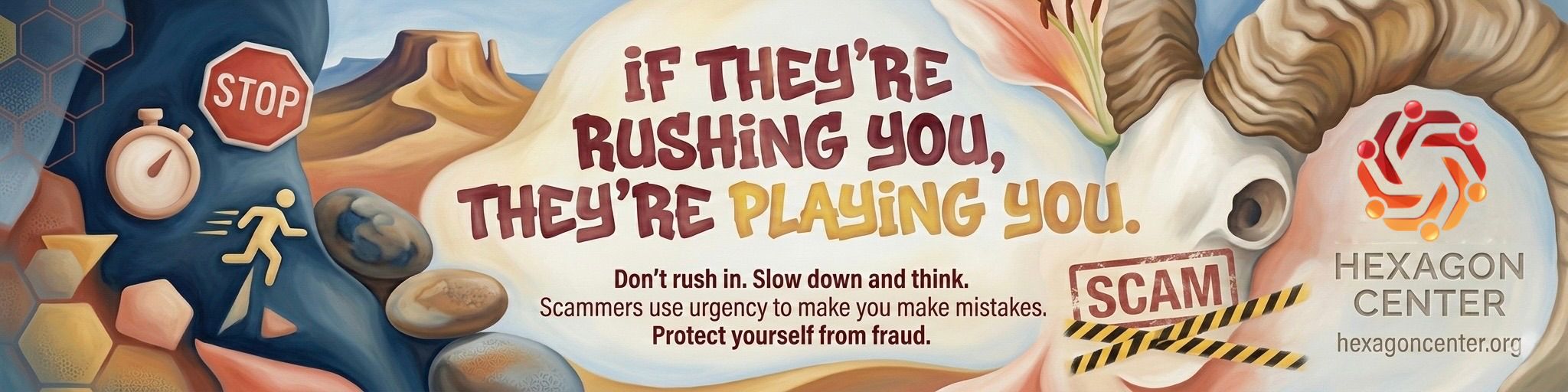
What do they all usually have in common? They want your money. How do you safeguard your money? Stop funding their work
🤷♀️ What now?: First rule of thumb is to never pay ransom, including paying for things you are not sure of.
Tools: Talk to others. Especially when if tell you not to.

📰 Security Highlights
If you don't fall for these extortionists' calls, they'll show up with USB sticks
Meta Says 20,000 Instagram Accounts Hacked via AI Tool Abuse
Former cyber executive turned whistleblower accuses IBM of covering up several data breaches
LinkedIn, Indeed and Upwork Leveraged for Chinese Spying Threat
FBI Seizes 13 Websites That Officials Say Were Used by China to Target and Recruit US Workers


This week’s news is tipped a bit more on the spamming and scamming side. Stay vigilant and use the resources around you including Hexagon Center.
Hexagon Center is on track with our projects and is about to roll out our programs to the various platforms. Joining us or volunteering for us benefits you as we learn and fight together.

The 125th edition of HX Weekly highlights a surge in financial-focused cybercrime, ranging from widespread spam and scam campaigns to sophisticated extortion efforts that now include physical threats like malicious USB drops.
A recurring theme this week is the weaponization of trusted platforms, with hackers exploiting Microsoft to deliver malware to AI users, hiding spam behind the credibility of Google and the New York Times, and leveraging professional networking sites like LinkedIn to recruit insiders for foreign espionage.
Amidst reports of mass Instagram account takeovers and alleged corporate cover-ups of data breaches, the Hexagon Center emphasizes that the most effective way to combat these threats is to refuse to fund them, reiterating the rule to never pay ransoms and to utilize community resources for verification.
As the Center rolls out new cybersecurity programs, it invites the public to join their mission of collective digital defense to stay ahead of these evolving, money-motivated tactics.
HOUSEKEEPING
Glossary/Legend:
Zero Trust - a strategic cybersecurity framework based on the principle of "never trust, always verify," requiring strict identity authentication and authorization for every user and device, whether inside or outside the network perimeter. It assumes breach, removes implicit trust, and employs granular, least-privilege access controls to protect resources.
Holistic security - a comprehensive strategy that integrates various protection layers—physical, digital, psycho-social, and organizational—to safeguard individuals, communities, or systems, recognizing that true security involves overall well-being, not just isolated technical defenses.
EDR - Endpoint Detection and Response. It is a cybersecurity technology that continuously monitors end-user devices—like laptops, desktops, servers, and mobile phones—to detect, investigate, and automatically respond to malicious threats like ransomware and malware.
Personal Identifier - A unique word or phrase shared exclusively with an individual or a group, serving as a means of identification and affirmation within the established relationship. It is recommended that 2 or more Personal Identifiers be established per person.
Malware (short for malicious software) - refers to any intrusive software developed by cybercriminals (often called hackers) to steal data and damage or destroy computers and computer systems.
Ransomware - A type of malware that locks or encrypts a victim's files and demands a ransom payment to unlock and decrypt them. Ransomware can infect a variety of devices, including computers, smartphones, printers, and more.
Privacy Notice: HX Weekly and the Hexagon Center are committed to your digital security. We do not collect, track, or store any personal information from our subscribers beyond the email address provided for delivery.
Spread cybersecurity culture
Do you have any suggestions on how we can further share this newsletter? Tell your friends and family about us by sharing with them the Hexagon Center official website:
View archives at hxweekly.beehiiv.com
Even though we aim to provide you the most current and critical information to keep you safe, threat actors work 24/7 and this newsletter publishes only once a week. Even though we are available via a hotline, it is crucial that you stay up to date via other sources as well to be informed on how you may be at risk.
You may reply to this newsletter or email us at
[email protected]
Send us any questions or things you want to talk about. Please share some fun facts with us. We welcome feedback and suggestions.

Hexagon Center is formed as a nonprofit corporation in California for public benefit,
and is tax-exempt under section 501(c)(3) of the Internal Revenue Code.
Cybersecurity is an ever-changing field, and threats may evolve. While Hexagon Center strives to provide accurate and timely information, we cannot guarantee absolute security. Users are responsible for implementing their security measures and staying informed about the latest cybersecurity developments. Hexagon Center is not responsible for any cyber or scam attacks by our readers. HX Weekly tips are advice are not official positions of Hexagon Center nor is Hexagon Center responsible for its content.
Content of this newsletter is not an official representation of Hexagon Center.
Reply